Limelight Hydrangea: The Showstopper Shrub That's Easy To Grow
Limelight hydrangea is a showstopper shrub that's easy to grow. It's known for its large, creamy-chartreuse blooms that appear in midsummer and last until fall. The flowers are borne on upright stems, so they don't flop over, even in heavy rain or wind. Limelight hydrangea is also relatively drought tolerant and can thrive in a variety of soil conditions.
If you're looking for a beautiful and easy-care shrub to add to your garden, limelight hydrangea is a great option. Here's everything you need to know about growing it.
Hardiness
Limelight hydrangea is hardy in USDA zones 3-8. This means it can withstand cold winters and hot summers.
Sunlight
Limelight hydrangea prefers full sun to partial shade. However, it can tolerate some shade, especially in hot climates.
Soil
Limelight hydrangea is not picky about soil type. It will grow in loamy, sandy, or clay soil. However, it does best in soil that is well-drained.
Watering
Limelight hydrangea needs regular watering, especially during the first year after planting. Once it is established, it is more drought tolerant.
Fertilizer
Limelight hydrangea benefits from a light application of fertilizer in the spring. A balanced fertilizer, such as 10-10-10, is a good choice.
Pruning
Limelight hydrangea does not need to be pruned heavily. However, you can remove dead or damaged branches in the spring. You can also trim the plant to keep it in shape.
Propagation
Limelight hydrangea can be propagated by taking cuttings in the spring or summer. To do this, cut a 6- to 8-inch piece of stem from the plant. Remove the leaves from the bottom half of the cutting and dip it in rooting hormone. Plant the cutting in a pot of well-draining soil and keep it moist. The cutting should root in about 4-6 weeks.
Problems
Limelight hydrangea is not susceptible to many pests or diseases. However, it can be affected by powdery mildew, which can cause white spots on the leaves. If your plant develops powdery mildew, you can treat it with a fungicide.
Limelight hydrangea is a beautiful and easy-care shrub that's perfect for any garden. With its large, creamy-chartreuse blooms and drought tolerance, it's sure to add a touch of elegance to your landscape.
Limelight hydrangea is a popular choice for gardeners because of its large, showy blooms that range in color from lime green to creamy white to dusty rose and even burgundy. It is a relatively easy plant to grow and care for, and it can be used in a variety of landscape settings.
If you are interested in learning more about limelight hydrangea, I recommend visiting . This website provides comprehensive information about the plant, including its history, care requirements, and potential uses. You can also find photos and videos of limelight hydrangea in bloom, as well as tips from experienced gardeners.
FAQ of limelight hydrangea
1. What are limelight hydrangeas?
Limelight hydrangeas are a type of hydrangea that is known for its large, showy blooms. The blooms typically start out as a pale green color in the summer and then transition to soft white, cream, and pink in the fall. Limelight hydrangeas are relatively easy to care for and are drought-tolerant. They are also hardy in USDA zones 3-9.
2. When do limelight hydrangeas bloom?
Limelight hydrangeas typically bloom in mid-summer and can continue to bloom until fall. The exact timing of the bloom depends on the climate. In warmer climates, the blooms may start as early as June. In cooler climates, the blooms may not start until August.
3. How to care for limelight hydrangeas?
Limelight hydrangeas are relatively easy to care for. They prefer full sun to partial shade and well-drained soil. They should be watered regularly, especially during the summer months. In the fall, you can add a layer of mulch around the base of the plant to help protect it from the cold.
4. What are the different colors of limelight hydrangeas?
The color of limelight hydrangeas can vary depending on the pH of the soil. In acidic soil, the blooms will be blue. In alkaline soil, the blooms will be pink. You can change the color of the blooms by adjusting the pH of the soil.
5. How to propagate limelight hydrangeas?
Limelight hydrangeas can be propagated by division or by cuttings. To propagate by division, dig up a mature plant and divide it into several smaller plants. To propagate by cuttings, take a 6-8 inch cutting from a healthy plant and plant it in a pot of well-drained soil. Keep the soil moist and the cutting in a warm, sunny location. The cutting should root in about 4-6 weeks.
Image of limelight hydrangea
5 different images of "limelight hydrangea" from Pinterest:
- A full bloom of limelight hydrangea, with large, cone-shaped flowers in a vibrant pink color.
- A close-up of the flowers, showing their delicate petals and intricate shape.
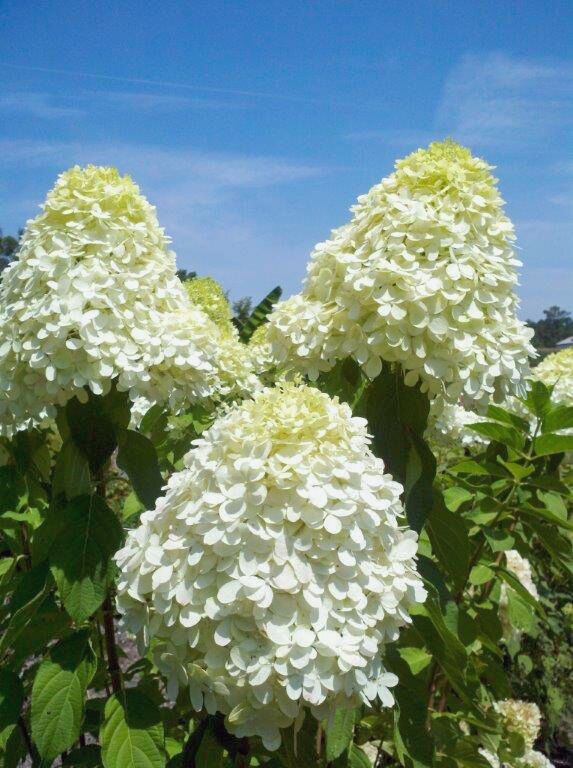
- A limelight hydrangea growing in a garden, with its lush green leaves and towering height.
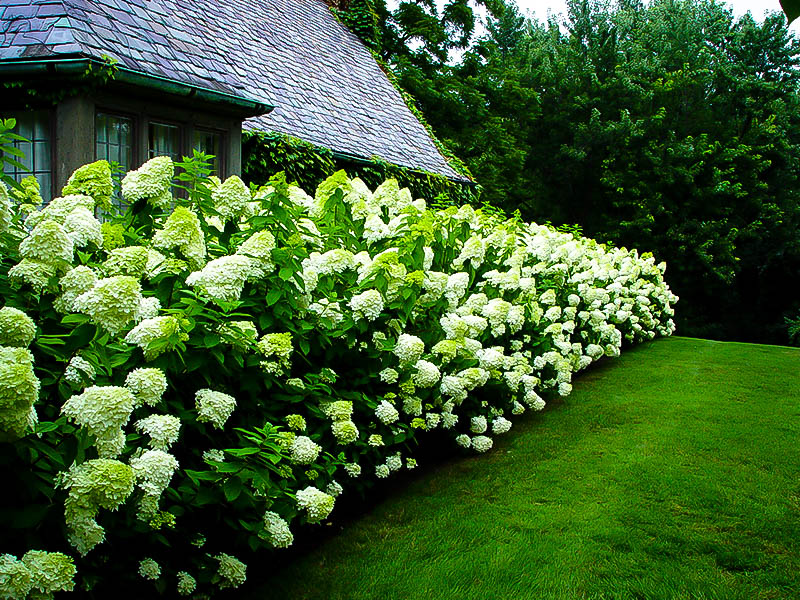
- A row of limelight hydrangeas in bloom, forming a beautiful hedge.

- A limelight hydrangea in a vase, adding a touch of elegance to a home decor.

Post a Comment for "Limelight Hydrangea: The Showstopper Shrub That's Easy To Grow"