The Ultimate Guide To Growing Vegetables Together In Raised Beds
The Ultimate Guide to Growing Vegetables Together in Raised Beds
Growing vegetables in raised beds is a great way to improve your yields, reduce pests and diseases, and make gardening easier on your back. But if you're new to raised bed gardening, it can be a bit overwhelming to figure out what vegetables to plant together. That's where this guide comes in.
In this blog post, we'll discuss the benefits of growing vegetables together in raised beds, and we'll provide you with a list of some of the best companion plants for each other. We'll also give you some tips on how to arrange your plants in your raised beds for optimal growth.
Benefits of Growing Vegetables Together in Raised Beds
There are many benefits to growing vegetables together in raised beds. Here are a few of the most important ones:
- Increased yields: Raised beds tend to warm up faster in the spring and cool down slower in the fall, which gives your vegetables a longer growing season. This can lead to increased yields.
- Reduced pests and diseases: Raised beds are easier to weed and maintain than traditional in-ground gardens. This can help to reduce the number of pests and diseases that attack your vegetables.
- Easy on your back: Raised beds are typically 12-18 inches high, which makes it easier to reach your plants and avoid back pain.
- More attractive: Raised beds can add a touch of beauty to your yard or garden. They can also be used to create a more formal or informal space.
Companion Planting
Companion planting is the practice of planting certain types of vegetables together because they benefit each other in some way. For example, some plants attract beneficial insects that help to control pests, while others repel pests. Some plants also help to improve the soil quality or provide shade for other plants.
There are many different companion planting charts available online and in gardening books. When choosing companion plants, it's important to consider the size, growth habit, and sunlight requirements of each plant. You should also consider the pests and diseases that are common in your area.
Here are a few examples of companion plants:
- Carrots and tomatoes: Carrots help to deter nematodes, which can damage tomatoes.
- Cucumbers and beans: Beans fix nitrogen in the soil, which benefits cucumbers.
- Lettuce and spinach: Lettuce provides shade for spinach, which helps to keep it cool and prevent it from bolting.
- Peas and onions: Peas fix nitrogen in the soil, which benefits onions.
- Potatoes and tomatoes: Potatoes and tomatoes have different pests and diseases, so they can help to protect each other.
Arranging Your Plants in Raised Beds
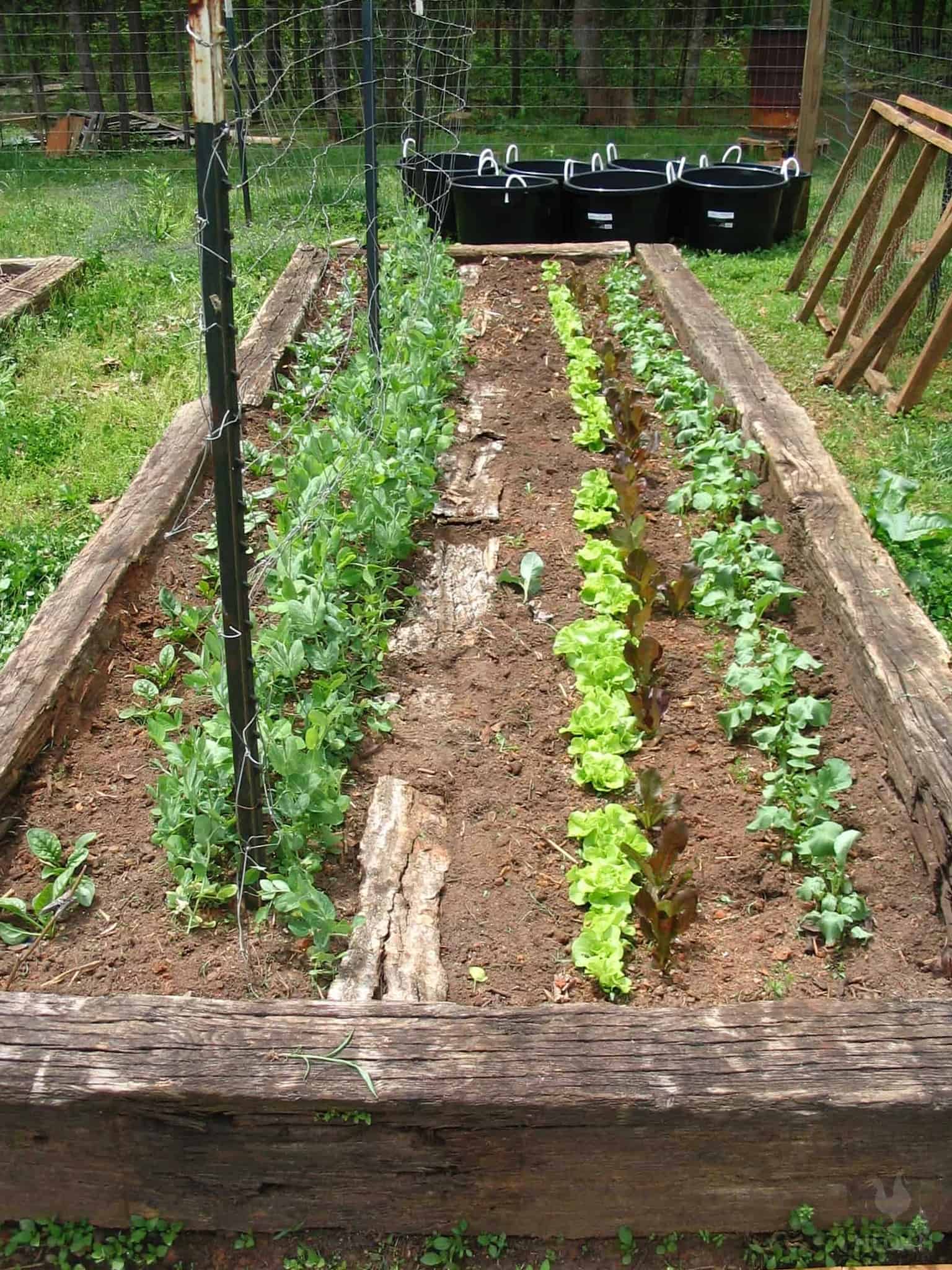
When arranging your plants in raised beds, it's important to consider the height of each plant. Taller plants should be planted in the back of the bed, while shorter plants should be planted in the front. This will help to ensure that all of your plants get enough sunlight.
You should also consider the spread of each plant. Some plants, such as tomatoes, have a wide spread and need to be planted at least 2 feet apart. Other plants, such as carrots, have a narrow spread and can be planted closer together.
Here are a few tips for arranging your plants in raised beds:
- Start by creating a plan. Before you start planting, take some time to create a plan of your raised bed. This will help you to visualize how you want to arrange your plants.
- Group plants together by height and spread. This will make it easier to water and weed your garden.
- Leave space for pathways. You'll need to leave some space between your plants and the edges of the bed so that you can easily walk around and access your plants.
- Add some compost or manure to the soil. This will help to improve the drainage and fertility of your soil.
- Water your plants regularly. Raised beds dry out more quickly than in-ground gardens, so it's important to water your plants regularly, especially during hot, dry weather.
- Fertilize your plants as needed. You may need to fertilize your plants every few weeks, especially during the growing season.
Conclusion
Growing vegetables together in raised beds can be a rewarding experience. By following the tips in this guide, you can improve your yields, reduce pests and diseases, and make gardening easier on your back. So what are you waiting for? Get started today!
Are you looking for the best vegetables to grow together in raised beds? If so, you've come to the right place! Here at Gardenia Inspiration, we have a wealth of information on the topic, including:
- A list of the top 10 vegetables to grow in raised beds
- Tips on how to arrange your vegetables for optimal growth
- Information on companion planting, which is the practice of planting certain vegetables together to help each other thrive
We also have a blog where we regularly post new articles about gardening, including tips on how to grow vegetables in raised beds. So whether you're a beginner or a seasoned gardener, we have something for you!
To learn more about the best vegetables to grow together in raised beds, visit Gardenia Inspiration today.
FAQ of best vegetables to grow together in raised beds
null
Image of best vegetables to grow together in raised beds
Here are 5 different images of best vegetables to grow together in raised beds from Pinterest:
- Carrots and onions. Carrots and onions are both root vegetables that benefit from the loose, well-drained soil of raised beds. They also have different growing requirements, with carrots needing more moisture and onions needing more sunlight. This means that they won't compete for resources and can thrive together.

- Cucumbers and tomatoes. Cucumbers and tomatoes are both warm-season vegetables that need full sun and well-drained soil. They also have similar water requirements. When planted together, the cucumbers can help to shade the tomatoes, which can help to prevent them from getting sunburned.

- Beans and corn. Beans and corn are known as the "Three Sisters" because they are often planted together in traditional Native American gardens. The corn provides a support for the beans to climb, the beans fix nitrogen in the soil, and the squash helps to suppress weeds.

- Lettuce and spinach. Lettuce and spinach are both leafy greens that can be grown in the same raised bed. They have similar water and sunlight requirements, and they can be harvested throughout the growing season.
- Peas and radishes. Peas and radishes are both cool-season vegetables that can be planted early in the spring. They have different growing heights, so they won't compete for space. Radishes are also quick to mature, so you can plant them in between the peas and harvest them before the peas get too tall.


Post a Comment for "The Ultimate Guide To Growing Vegetables Together In Raised Beds"