Scotch Thistle: The National Flower Of Scotland
Title: Scotch Thistle: The National Flower of Scotland
Introduction:
The Scotch thistle is a prickly plant that is native to Scotland. It has purple flowers and long, sharp spines. The Scotch thistle is a symbol of Scotland's strength and resilience. It is said that the thistle inspired the Scottish army to victory in the Battle of Bannockburn in 1314. The thistle is also a popular symbol in Scottish culture. It can be found on flags, coats of arms, and other objects.
Main Content:
There are several legends about how the Scotch thistle became Scotland's national flower. One legend tells the story of a group of Scottish soldiers who were sleeping in a field when they were attacked by a group of Norsemen. The Norsemen were wearing soft leather shoes, and they were trying to sneak up on the sleeping Scots. However, one of the Norsemen stepped on a thistle, and his cry of pain woke up the Scots. The Scots were able to defeat the Norsemen, and they adopted the thistle as their national symbol because it represented their strength and courage.
Another legend tells the story of a Scottish king who was walking through a field when he stepped on a thistle. The king was so impressed by the thistle's prickles that he decided to adopt it as his national symbol. The thistle represented the king's strength and determination, and it also served as a warning to his enemies.
The exact origins of the Scotch thistle as a national symbol are unknown, but it is clear that the plant has long been associated with Scotland. The thistle is a hardy plant that can survive in harsh conditions, and it is this resilience that has made it a symbol of Scotland's strength and independence.
In addition to its symbolic meaning, the Scotch thistle also has a number of practical uses. The plant's leaves and stems can be used to make rope, and the seeds can be used to make a type of oil. The thistle was also used medicinally in the past, and it was believed to have a number of health benefits.
Conclusion:
The Scotch thistle is a symbol of Scotland's strength, resilience, and independence. It is a plant that has been associated with Scotland for centuries, and it continues to be a popular symbol of the country today. The thistle can be found on flags, coats of arms, and other objects, and it is often used in Scottish art and literature. The Scotch thistle is a reminder of Scotland's rich history and culture, and it is a symbol that is cherished by people all over the world.
Scotch thistle (Onopordum acanthium) is a large, spiny plant that is native to Europe and Asia. It was introduced to North America in the early 17th century and has since become a widespread invasive species. Scotch thistle can grow up to 10 feet tall and has purple or mauve flowers. The plant's spines can cause painful injuries, and its seeds can be spread by wind and water.
If you see scotch thistle on your property, it is important to remove it as soon as possible. You can dig up the plants by hand, mow them down, or use a herbicide. For more information on how to control scotch thistle, please visit Home Gardening.
FAQ of scotch thistle
What is scotch thistle?
Scotch thistle (Onopordum acanthium) is a biennial plant that is native to Europe and Asia. It is a tall, spiny plant with large, hairy leaves and violet to reddish flowers. Scotch thistle is considered an invasive weed in many parts of the world, including the United States, Canada, Australia, and New Zealand.
What are the characteristics of scotch thistle?
Scotch thistle is a large, biennial plant that can grow up to 8 feet tall. It has a stout, corky taproot and a rosette of leaves in its first year of growth. The leaves are deeply lobed and have long, stiff spines along the margins. The second year, the plant produces a tall, branched stem with spiny wings. The flowers are globe-shaped and range in color from dark pink to lavender.
How does scotch thistle spread?
Scotch thistle spreads by seed. The seeds are light and have a pappus (a tuft of hairs) that helps them to disperse in the wind. Scotch thistle seeds can germinate at any time of year, but they typically germinate in the spring or fall.
What are the effects of scotch thistle?
Scotch thistle is an invasive weed that can have a negative impact on native plants and animals. It can outcompete native plants for water and nutrients, and it can also provide habitat for pests and diseases. Scotch thistle can also be a nuisance to people and livestock. The spines can cause cuts and scratches, and the flowers can be a fire hazard.
How can I control scotch thistle?
There are a number of ways to control scotch thistle. One way is to hand-pull the plants before they flower. This should be done carefully to avoid being pricked by the spines. Another way to control scotch thistle is to use herbicides. There are a number of herbicides that are effective against scotch thistle, but it is important to read the label carefully and follow the directions before using any herbicide.
What are some of the challenges of controlling scotch thistle?
One of the challenges of controlling scotch thistle is that it is a biennial plant. This means that it takes two years for the plant to complete its life cycle. During the first year, the plant is relatively easy to control, but during the second year, the plant can be very difficult to control. Another challenge of controlling scotch thistle is that it is a prolific seed producer. A single plant can produce thousands of seeds, and these seeds can remain viable in the soil for many years.
What are some resources for learning more about scotch thistle?
There are a number of resources available for learning more about scotch thistle. One resource is the National Invasive Species Information Center: https://www.invasivespeciesinfo.gov/terrestrial/plants/scotch-thistle. This website provides information on the biology, distribution, and control of scotch thistle. Another resource is the USDA Forest Service: https://www.fs.usda.gov/treesearch/pubs/47540. This website provides a fact sheet on scotch thistle that includes information on identification, biology, and control.
Image of scotch thistle
- Scotch thistle isolated on a white background. This image shows a single Scotch thistle plant, with its purple flowers and spiny leaves.

- A bunch of Scotch thistles in a meadow. This image shows a bunch of Scotch thistles growing in a meadow. The flowers are in various stages of bloom, from unopened buds to fully open flowers.
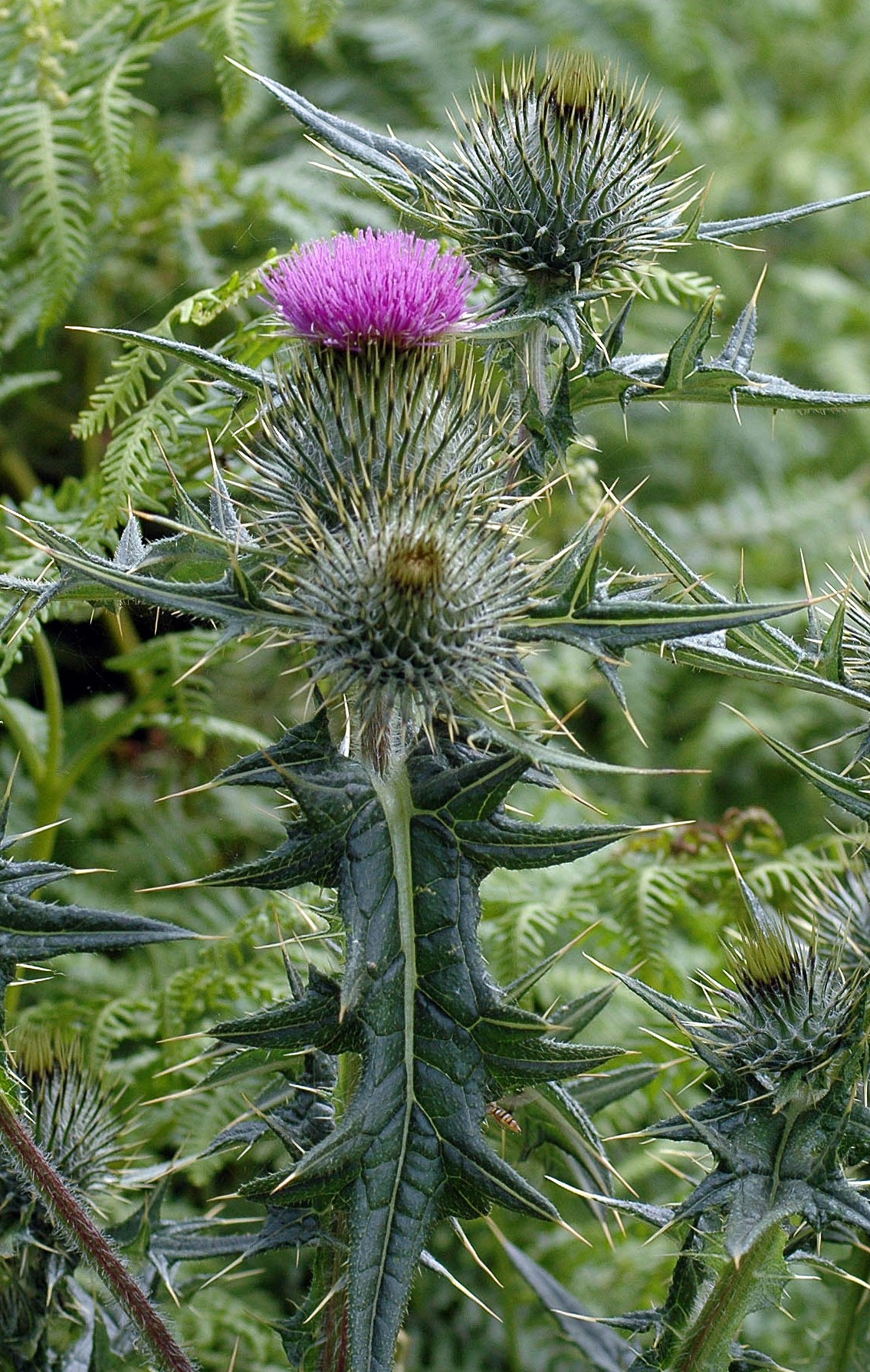
- A close-up of a Scotch thistle flower. This image shows a close-up of a Scotch thistle flower. The petals are a deep purple color, and the center of the flower is covered in yellow stamens.
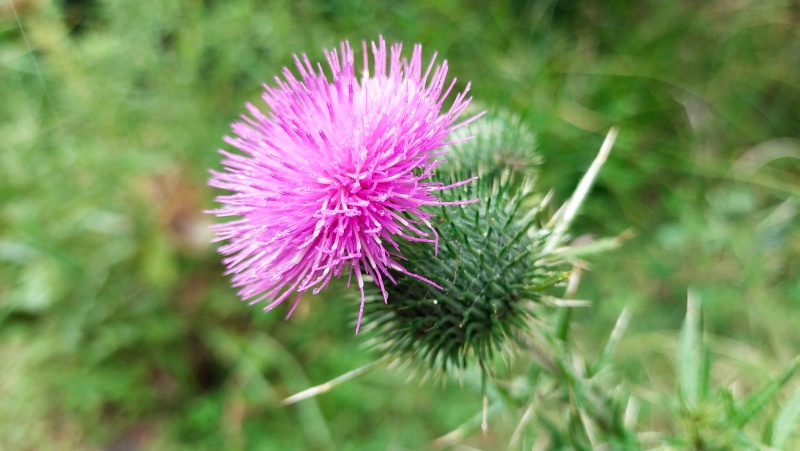
- A Scotch thistle plant with a butterfly perched on it. This image shows a Scotch thistle plant with a butterfly perched on one of its leaves. The butterfly is a beautiful blue color, and its wings are a perfect match for the purple flowers of the Scotch thistle.
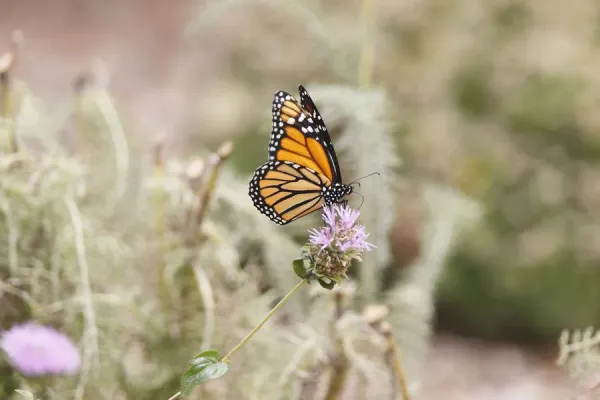
- A watercolor painting of a Scotch thistle. This image shows a watercolor painting of a Scotch thistle. The colors are soft and muted, and the painting captures the beauty of the plant in a delicate way.
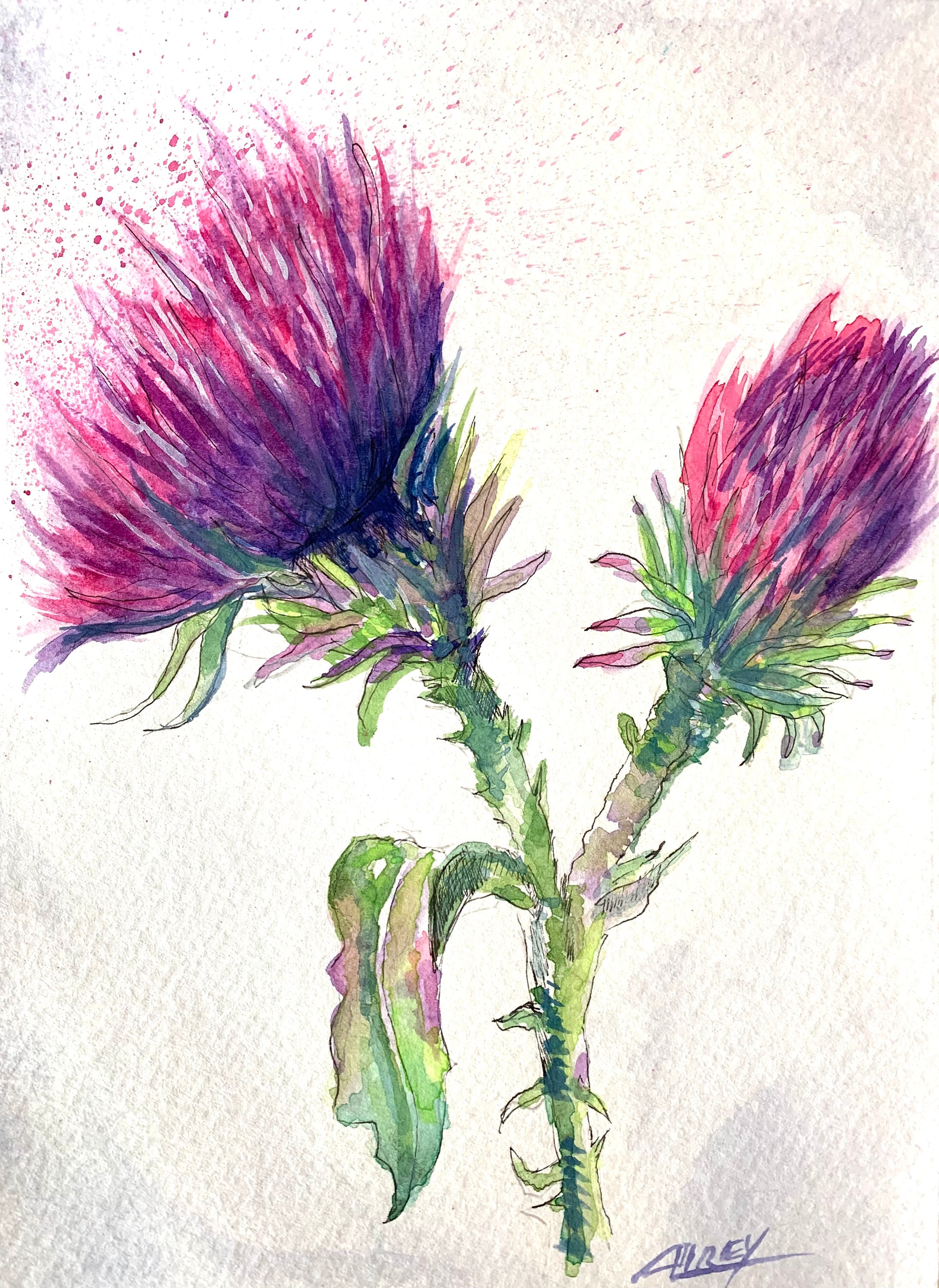
- A vector illustration of a Scotch thistle. This image shows a vector illustration of a Scotch thistle. The illustration is simple and elegant, and it would be perfect for use in a logo or design.
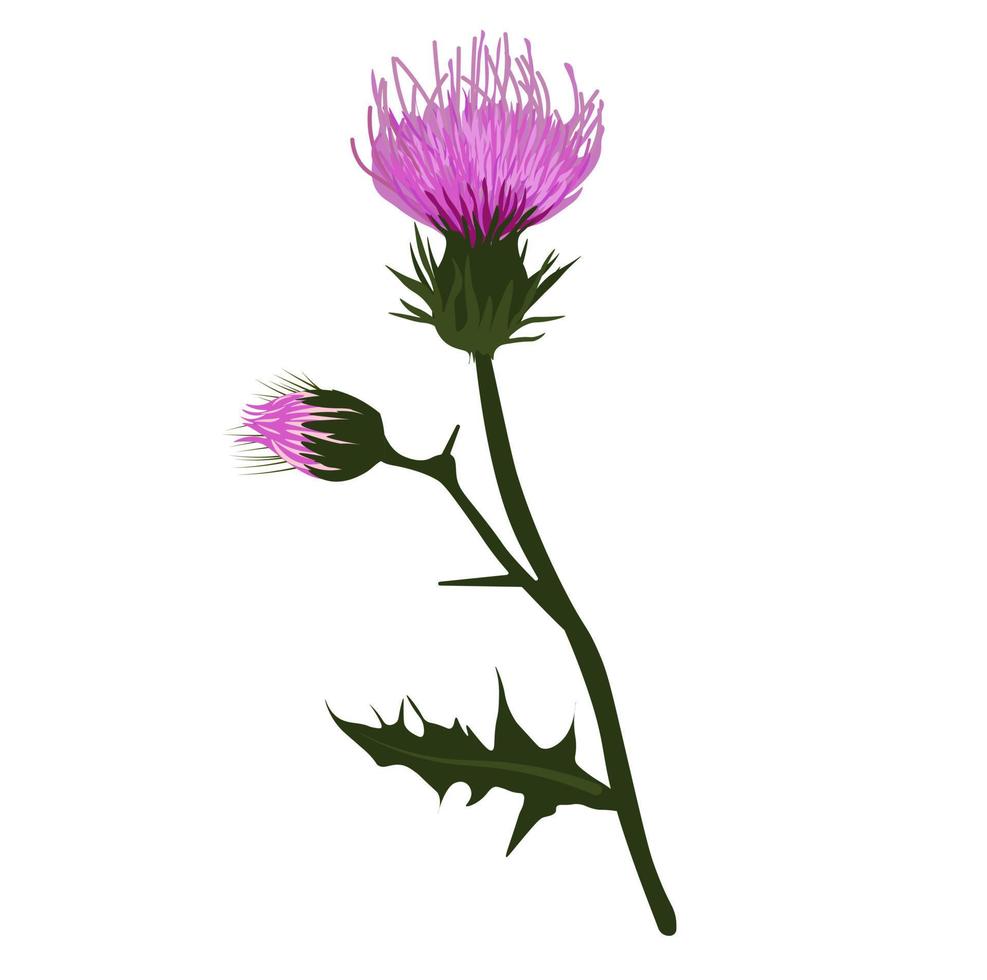
- A 3D rendering of a Scotch thistle. This image shows a 3D rendering of a Scotch thistle. The rendering is realistic and detailed, and it would be perfect for use in a product visualization or animation.

- A photo of a Scotch thistle in a Scottish garden. This image shows a Scotch thistle plant growing in a Scottish garden. The plant is surrounded by other flowers and greenery, and it adds a touch of color and interest to the garden.
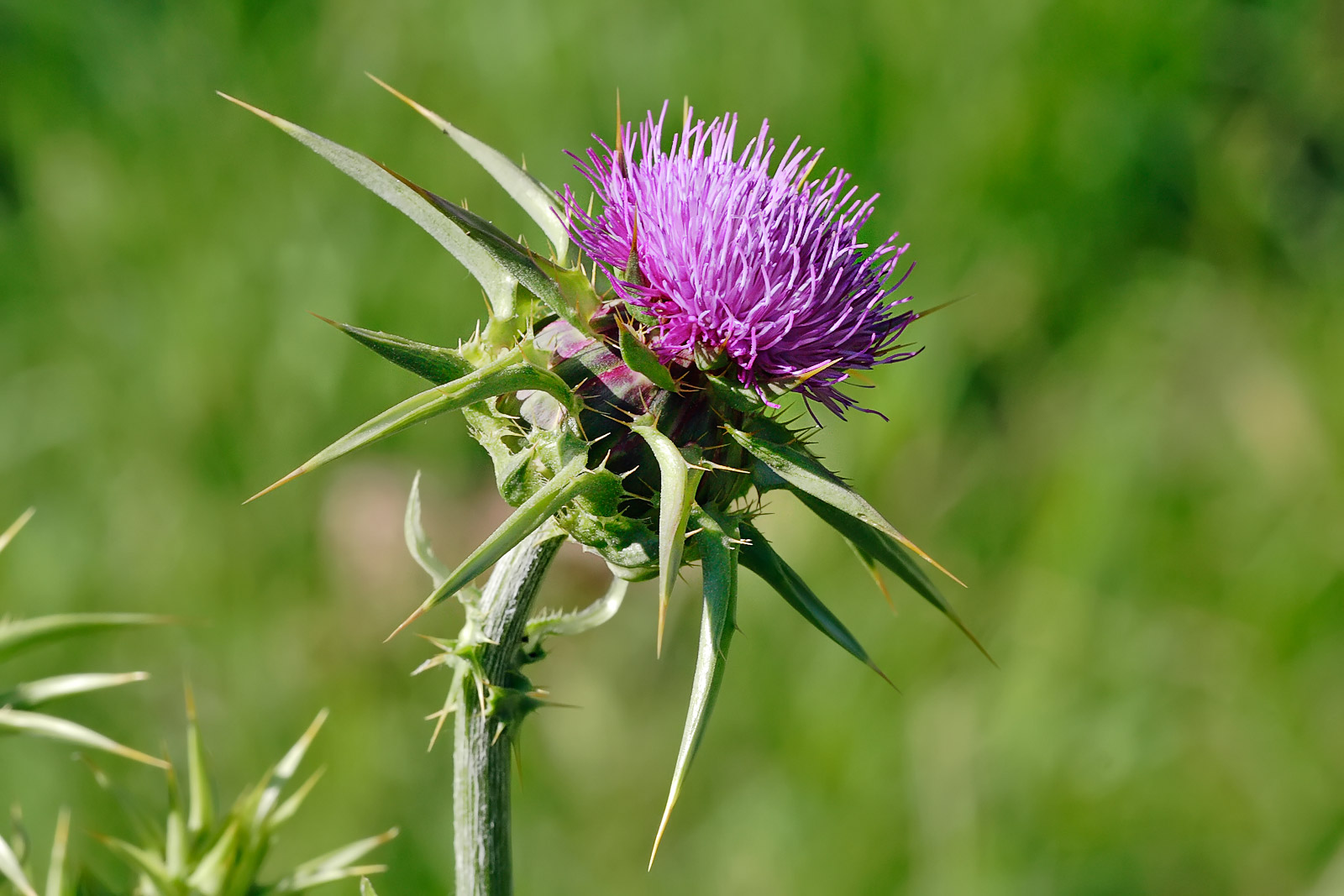
- A drawing of a Scotch thistle. This image shows a drawing of a Scotch thistle. The drawing is detailed and realistic, and it captures the beauty of the plant in a way that is both artistic and botanical.

- A sculpture of a Scotch thistle. This image shows a sculpture of a Scotch thistle. The sculpture is made of metal, and it is detailed and realistic. It would be a beautiful addition to any garden or home.

Post a Comment for "Scotch Thistle: The National Flower Of Scotland"