Silky Dogwood: The Underappreciated Shrub That's Perfect For Your Landscape
Silky dogwood (Cornus amomum) is a versatile and attractive shrub that is often overlooked as a landscape plant. However, it has many qualities that make it an excellent choice for a variety of settings, from small gardens to large properties.
In this blog post, we will explore the many benefits of silky dogwood and discuss how to plant, care for, and use it in your landscape.
Introduction
Silky dogwood is a native shrub of eastern North America. It is found in a variety of habitats, including moist woodlands, stream banks, and meadows. The shrub can grow to be 6-12 feet tall and wide, with a spreading habit. The leaves are oval-shaped and have a glossy green color. In the spring, the shrub produces clusters of white flowers that are followed by small, red fruits.
Silky dogwood is a relatively low-maintenance shrub. It is tolerant of a variety of soil types and light conditions. It is also drought-tolerant once established. The shrub is hardy in USDA zones 5-8.
Benefits of Silky Dogwood
There are many reasons why silky dogwood is a great choice for a landscape plant. Here are a few of its benefits:
- Versatile: Silky dogwood can be used in a variety of ways in the landscape. It can be used as a hedge, screen, specimen plant, or groundcover. It is also a good choice for stabilizing slopes and stream banks.
- Attractive: Silky dogwood has attractive foliage, flowers, and fruits. The leaves are glossy green in the spring and summer, and they turn a brilliant red in the fall. The flowers are white and fragrant, and the fruits are small and red.
- Low-maintenance: Silky dogwood is a relatively low-maintenance shrub. It is tolerant of a variety of soil types and light conditions. It is also drought-tolerant once established.
- Hardy: Silky dogwood is hardy in USDA zones 5-8. This means that it can withstand cold winters and hot summers.
- Attracts wildlife: Silky dogwood is a host plant for a variety of butterflies and moths. It also provides food and shelter for birds and other wildlife.
How to Plant Silky Dogwood
Silky dogwood can be planted in the spring or fall. When choosing a planting site, select an area that receives full sun to partial shade. The soil should be well-drained but moist. If the soil is sandy, add some organic matter to improve drainage.
Dig a hole that is twice the width of the root ball. Place the root ball in the hole and backfill with soil. Water the plant well.
How to Care for Silky Dogwood
Silky dogwood is a relatively low-maintenance shrub. However, there are a few things you can do to keep it healthy and looking its best:
- Water the plant regularly, especially during the first year after planting.
- Fertilize the plant in the spring with a balanced fertilizer.
- Prune the plant in the spring to remove dead, diseased, or damaged branches.
- Protect the plant from deer and rabbits by fencing it in or using a repellent.
Using Silky Dogwood in Your Landscape
Silky dogwood can be used in a variety of ways in the landscape. Here are a few ideas:
- Hedge: Silky dogwood can be used to create a dense hedge. Plant the shrubs 3-4 feet apart for a solid barrier.
- Screen: Silky dogwood can be used to block unsightly views or create privacy. Plant the shrubs 5-6 feet apart for a good screen.
- Specimen plant: Silky dogwood can be used as a specimen plant in a lawn or garden. Plant it in a location where it can be appreciated for its beauty.
- Groundcover: Silky dogwood can be used as a groundcover. Plant the shrubs 2-3 feet apart for a lush, green carpet.
- Streambank stabilizer: Silky dogwood is a good choice for stabilizing streambanks and preventing erosion. Plant the shrubs along the streambank and water them regularly.
Conclusion
Silky dogwood is a versatile and attractive shrub that is perfect for a variety of landscape settings. It is low-maintenance, hardy, and attractive to wildlife. If you are looking for a new shrub to add to your landscape, silky dogwood is a great option.
Silky dogwood (Cornus amomum) is a native shrub to the eastern United States. It is known for its delicate white flowers, which bloom in the spring, and its blue fruits, which ripen in the summer. Silky dogwood is a versatile plant that can be grown in a variety of conditions, from full sun to partial shade. It is also tolerant of a wide range of soils, including wet and acidic soils.
If you are interested in learning more about silky dogwood, I recommend visiting Garden Wiki. This website provides comprehensive information about the plant, including its history, taxonomy, cultivation, and uses. You can also find photos and illustrations of silky dogwood, as well as helpful tips for growing it in your own garden.
FAQ of silky dogwood
Q: What is silky dogwood?
A: Silky dogwood (Stewartia koreana) is a deciduous flowering tree native to Korea and Japan. It is known for its beautiful white flowers, which bloom in late spring or early summer. The leaves of silky dogwood are also attractive, turning a brilliant yellow or orange color in fall. Silky dogwood is a relatively easy tree to grow, and it is tolerant of a variety of soil conditions. It is also relatively pest- and disease-free.
Q: How tall does silky dogwood grow?
A: Silky dogwood can grow to be 20-30 feet tall, but it can be pruned to be smaller if desired.
Q: Where does silky dogwood grow best?
A: Silky dogwood prefers full sun to partial shade and moist, well-drained soil. It is hardy in USDA zones 5-8.
Q: How do I care for silky dogwood?
A: Silky dogwood is relatively easy to care for. Water it regularly during the first year after planting, and then water it deeply once a week during the growing season. Fertilize it in the spring with a balanced fertilizer. Silky dogwood does not need to be pruned often, but you can remove dead or damaged branches in the spring.
Q: What are some common problems with silky dogwood?
A: The most common problems with silky dogwood are aphids, scale insects, and leaf spots. These problems can be treated with insecticidal soap or neem oil. Silky dogwood is also susceptible to root rot if it is planted in poorly drained soil.
Image of silky dogwood
5 different images of silky dogwood from Pinterest:
- A close-up of the flowers of a silky dogwood tree. The flowers are white and star-shaped, with a yellow center.
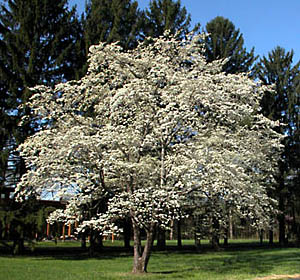
- A view of a silky dogwood tree in full bloom. The tree is covered in white flowers, which are surrounded by green leaves.
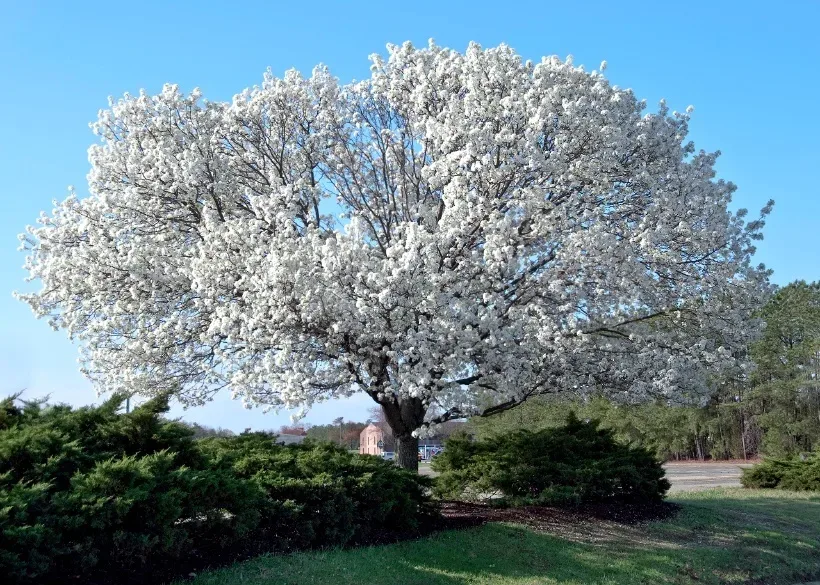
- A view of a silky dogwood tree in fall. The leaves of the tree have turned red, orange, and yellow.
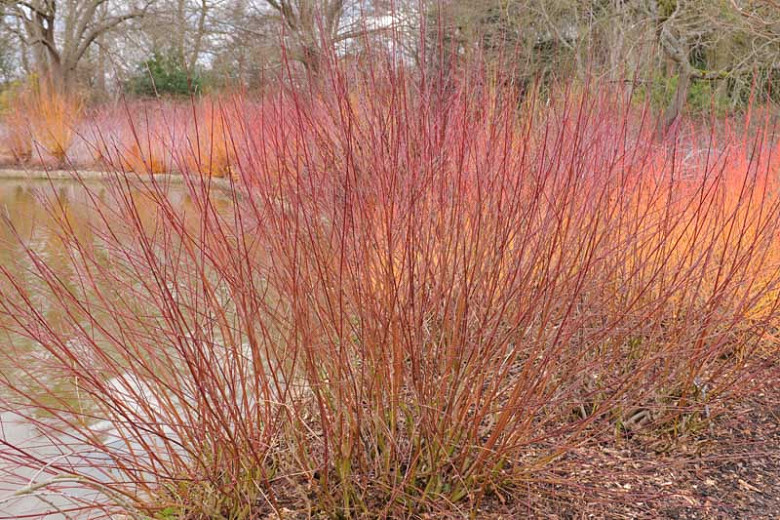
- A view of a silky dogwood tree in winter. The tree has lost its leaves, but its branches are still covered in silky hairs.
- A group of silky dogwood trees growing in a forest. The trees are all different sizes and shapes, and their leaves are a variety of colors.


Post a Comment for "Silky Dogwood: The Underappreciated Shrub That's Perfect For Your Landscape"